
Plan Your Trip
Umbria vs Tuscany
Tuscany has the brand. Umbria has the space. They share a border, a landscape family and a food culture – but they don’t feel the same to visit, and the honest question isn’t “which is better” but “which is right for you.” Here’s the fair version, from people who chose the Umbrian side.
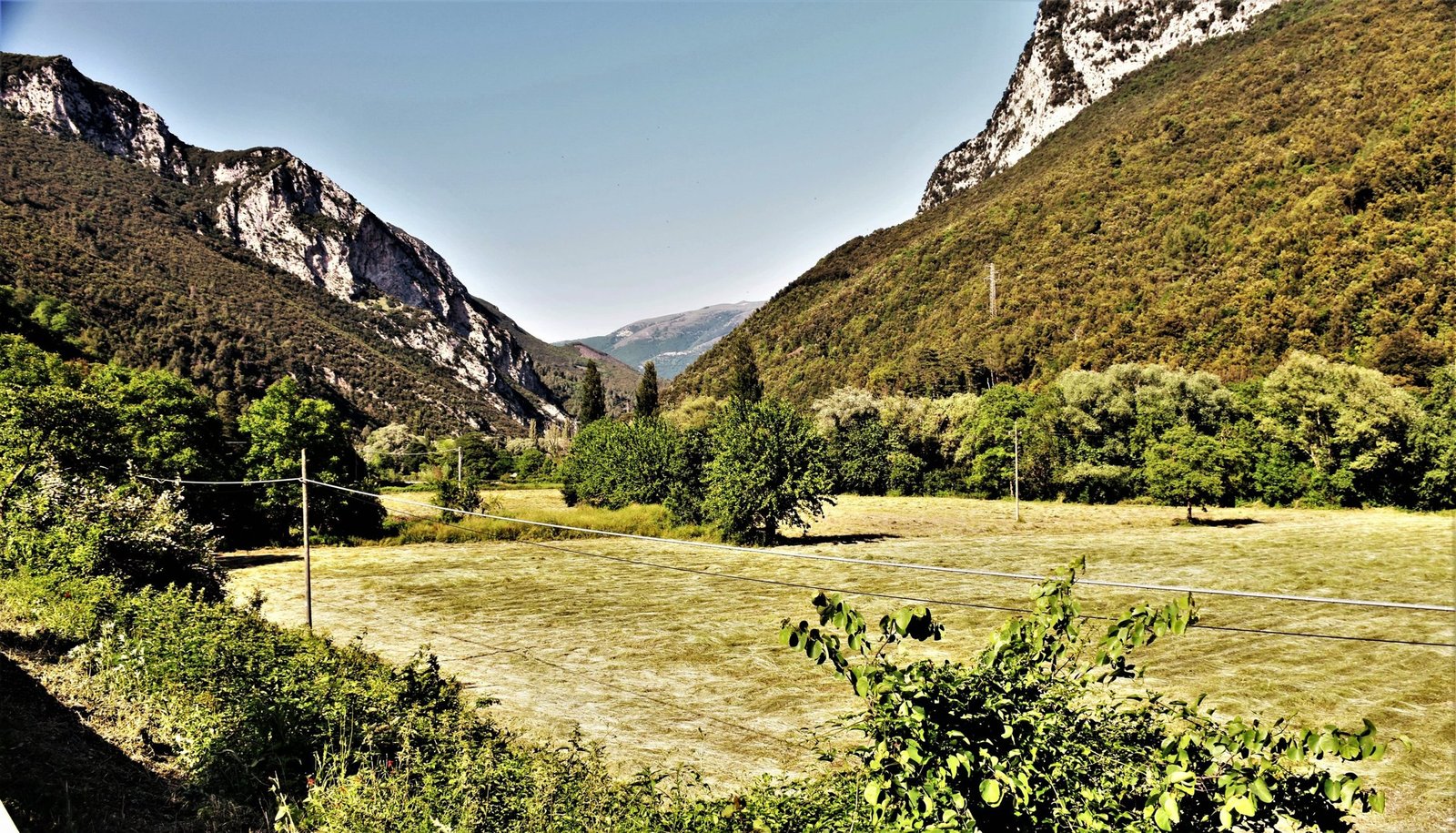
Photo: Ulissevietato.9449, Wikimedia Commons, CC BY-SA 4.0
Facts checked: October 2026. An honest comparison from the quiet side of the border. Geography, size and population figures are sourced (see the table); the category verdicts are our reasoned opinion, and we say so. Price and crowd figures are still being compiled.
First: is Umbria in Tuscany?
No. Umbria and Tuscany are two separate regions of Italy, each with its own regional government, capital and provinces. They are neighbours: Tuscany wraps around Umbria’s western and northern edge, with Marche to the east and Lazio to the south. Umbria is the only Italian region on the mainland that touches neither the sea nor a foreign border, which is why it gets called the “green heart of Italy”. The confusion is understandable: Lake Trasimeno sits right on the border, and Cortona and Montepulciano are only a short drive over the line.
| Umbria | Tuscany | |
|---|---|---|
| Regional capital | Perugia | Florence |
| Provinces | 2 (Perugia, Terni) | 10 (including the Metropolitan City of Florence) |
| Area | 8,464 km² | 22,987 km² |
| Population | about 850,000 | about 3.66 million |
| Coastline | None (landlocked) | Yes, plus islands such as Elba |
| UNESCO World Heritage sites | 3 (Assisi; the Longobard sites at Spoleto and Campello sul Clitunno; Spoleto’s Teatro Nuovo, added in July 2026. The last two are shared listings with other regions) | 8 (including historic Florence, Siena, Pisa’s Piazza del Duomo, San Gimignano, Pienza and the Val d’Orcia) |
Sources: ISTAT figures for area and resident population (population rounded, 2026); UNESCO World Heritage List (Tuscany’s count checked against the 2026 additions). In short, Tuscany is roughly 2.7 times the size of Umbria and has more than four times as many people.
The rest of this page is about the question people really mean: which one should you choose for a holiday? We won’t publish price or crowd statistics until we’ve sourced them, so read the category verdicts below as our reasoned opinion, labelled as such.
Category by category (our reasoned take)
Hill towns: Tuscany’s are more famous and more polished; Umbria’s are quieter and, in the south especially, often nearly empty. If you want the Instagram set-piece, Tuscany; if you want a borgo to yourself, Umbria. (Opinion.)
Food: both superb; Umbria leans earthier – black truffle, wild boar, lentils, strong olive oil, simple pastas like ciriole and strangozzi. Tuscany has the bigger wine names; Umbria answers with Sagrantino and Trebbiano Spoletino. Call it a draw, decided by taste. (Opinion.)
Wine: Tuscany wins on fame and range (Chianti, Brunello, Super Tuscans). Umbria is smaller but serious (Montefalco Sagrantino, Orvieto). (Opinion, with verifiable appellations.)
Crowds and value: this is Umbria’s real edge – fewer people and, generally, lower prices, especially away from Assisi.
Beaches: neither is a beach destination, but note the honest quirk – Umbria is landlocked, so its “water” is lakes and rivers (Trasimeno, Piediluco, the Nera), not sea. Tuscany has actual coast. If coast matters, Tuscany. (Fact + opinion.)
Who should pick Tuscany
Honestly: first-time-in-Italy travellers who want the iconic names ticked; wine tourists chasing Brunello and the Chianti estates; anyone wanting coast in the mix. Saying so is the point – it’s how you trust the rest.
The southern Umbria wildcard
Here’s the thing neither famous-Tuscany nor famous-Umbria (Assisi/Perugia) really offers: our corner combines a Roman waterfall you can raft beneath, a fjord-like lake, real adventure sports on guaranteed water, and hill villages with no crowds – within half an hour of each other, ninety minutes from Rome. That specific mix has no Tuscan equivalent. The falls → · the lake → · the adventure cluster →
Frequently asked questions
Is Umbria or Tuscany better?
Neither, flatly – it depends on you. Tuscany for the famous names, bigger wine estates and coast; Umbria for fewer crowds, generally better value and, in the south, a waterfall-lake-adventure combination Tuscany doesn’t have.
Is Umbria cheaper than Tuscany?
Generally it’s quieter and better value, especially away from Assisi – but we’re compiling verified price data before we put exact figures to it.
Is Umbria in Tuscany?
No. Umbria and Tuscany are separate Italian regions. They share a border: Tuscany lies to Umbria’s west and north. Umbria’s capital is Perugia; Tuscany’s is Florence.
Is Umbria bigger than Tuscany?
No. Tuscany covers about 22,987 km² and Umbria about 8,464 km², so Tuscany is roughly 2.7 times larger. Tuscany also has about 3.66 million residents against Umbria’s roughly 850,000.
Does Umbria have a coastline?
No. Umbria is landlocked: it is the only mainland Italian region with neither a coastline nor a border with another country. Its big bodies of water are lakes, such as Trasimeno and Piediluco, along with rivers like the Tiber and the Nera.
3 Days in Southern Umbria: A Relaxed Itinerary
- A tested day-by-day route
- Where to eat along the way
- How to time it to a water release