
Where to stay
Villa holidays in Umbria – how to choose the right house
What the listing photos don’t show you, the legal must-haves, and the checklist we’d use before booking a house in Umbria. From people about to rent one out themselves.
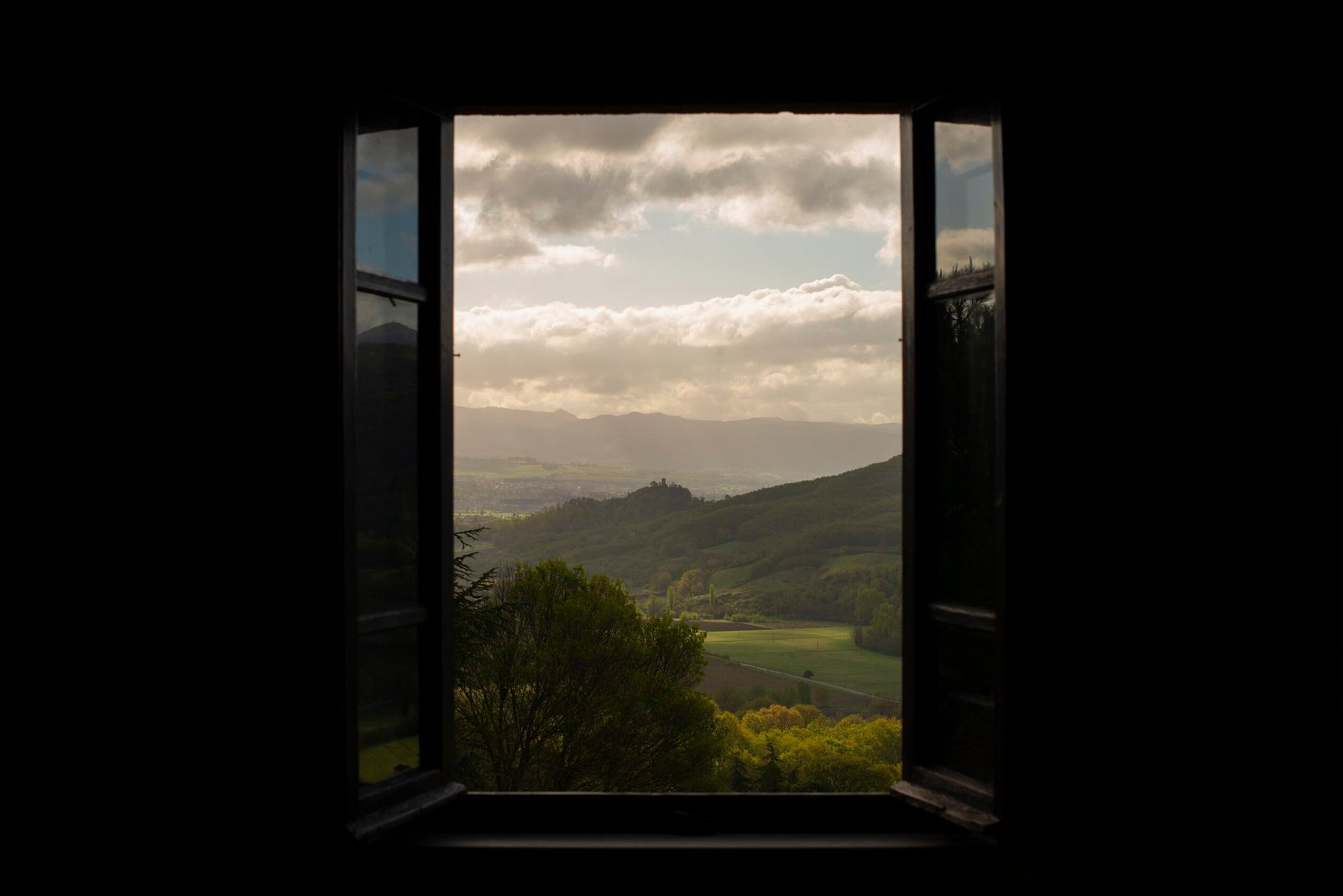
Photo: Maarten Heerlien, Wikimedia Commons, CC BY 2.0
Facts checked: October 2026. Declared interest: we own a house in Collestatte that will be available to rent (how this site makes money).
A rented house is the best way to do Umbria: space, a garden or pool, a kitchen for the things you bring back from the market, and a base you don’t have to pack up every two days. It’s also the easiest way to get a holiday wrong, because the photos never show the gravel road, the 25-minute drive for bread or the pool that opens in June. Getting our own house ready for guests has made us look hard at what good looks like. This is the checklist we’d use.
Renting in Umbria: the short version
First decide which Umbria you want
“Umbria” in a listing can mean anywhere from the edge of Tuscany to the mountains of the Sibillini, and the experience is different in each. The north, around Perugia, Assisi and Lake Trasimeno, is the classic first trip and has the most choice. The centre, the Spoleto valley with Montefalco, Bevagna and Spello, is wine and small-town country. The south, around Terni, Narni and the Marmore Falls, is greener and wetter, with lakes and river gorges, and is the closest to Rome. Our guide to the best places to visit in Umbria explains the differences; pick the area for what you want to do on day three, not for the photo on day one.
Remote or walkable? The decision that matters most
Most villa disappointments come down to one thing: distance. A house “in the countryside near Assisi” can be twenty minutes of unpaved road from anything. That’s wonderful if you want silence and you’re happy to drive for every meal; it’s wearing if you have teenagers, or one person ends up as designated driver every evening. Before you book, put the address into a map and check three things: how far it is on foot to the nearest bar or restaurant, how much of the drive is on a strada bianca (white gravel road) and how long the round trip to a supermarket really takes. A house on the edge of a village, where you can walk out for an espresso, changes the whole feel of a week.
The checklist we’d use before booking
The legal bits (they protect you too)
- A CIN code on the listing. Every short-term rental in Italy now needs a national identification code, the Codice Identificativo Nazionale, which has to appear on every listing and advert and on the outside of the building. No CIN is a red flag about everything else.
- Safety kit. The same rules require working gas and carbon monoxide detectors and fire extinguishers in short-term lets. It’s reasonable to ask the owner to confirm them.
- Your passports at check-in. Italian law requires hosts to register every guest, children included, with the police within 24 hours of arrival, so you’ll be asked for ID for everyone. Expect the host to check it in person or on a video call; a key box on its own isn’t enough under current rules.
- Tourist tax. Many comuni charge an imposta di soggiorno, collected by the host and usually paid locally on arrival. Ask whether it’s included in the price.
The house
- The pool’s season. Ask the exact dates it’s open and whether it’s heated. A pool that opens “in late spring” may still be covered in your May week.
- Is it fenced? If you have small children, ask for a photo of the pool from the house, not just the drone shot.
- Air-conditioning in the bedrooms. Thick stone walls help a lot, but in a July heatwave you’ll want it where you sleep.
- Heating, if you come in spring or autumn. Evenings in the hills can be properly cold in April and late October.
- Beds and bathrooms. “Sleeps 10” sometimes means sofa beds. Count the real bedrooms and the bathrooms.
- Wi-Fi and phone signal. Some valleys have neither. If you need to work, ask for a speed test.
- What’s included. Linen, towels, final cleaning, firewood, air-con and heating are sometimes extras. Get the full price in writing.
The terms
- Deposit and cancellation. Read them before you fall in love with the kitchen.
- Arrival times. Many houses have a Saturday-to-Saturday rhythm in summer and set check-in windows. Flights that land late can mean a night somewhere else.
- Who you’ll deal with. An owner who lives nearby, an agency or a remote manager: all can work, but know whose phone rings when the boiler stops.
Villa, agriturismo or hotel?
| Best for | Watch out for | |
|---|---|---|
| Villa or farmhouse | Families and groups, a week or more, cooking for yourselves | Distance from villages, extras, minimum stays |
| Agriturismo | Couples and short stays, home cooking, a working farm atmosphere | Shared pool and spaces, fixed meal times |
| Hotel or B&B in town | Two or three nights, no car, evenings out on foot | Parking, less space, no outdoor living |
If you’re centred on the falls and the lakes, our honest where to stay near Marmore Falls compares the southern bases area by area.
When to book
The best houses for July and August go early, often months ahead, and so do Easter and the long Italian holiday weekends, the ponti around 25 April, 1 May and 2 June. May, June, September and early October are the sweet spot: warm enough for the pool in the south, green, and quieter. Winter has its own appeal, with fires, truffles and empty towns, but check the heating and whether the pool is drained.
Getting there
Most visitors fly into Rome (Fiumicino or Ciampino) or Perugia’s San Francesco d’Assisi airport and hire a car. Southern Umbria is the easiest part of the region to reach from Rome: from Collestatte it’s around 90 minutes by road. You can reach the main towns by train, but a rental house almost always means a car.
3 Days in Southern Umbria
Planning a week in a house in the south? Start with our relaxed three-day plan.
- Day-by-day route with drive times
- Where to eat along the way
- How to time the Marmore Falls releases
Frequently asked questions
What should I check before renting a villa in Umbria?
The CIN code on the listing, how far the house is from the nearest village and supermarket, how much of the access is gravel road, the pool’s opening dates and fencing, air-conditioning and heating, and exactly what’s included in the price.
When is the best time to rent a villa in Umbria?
May, June, September and early October offer warm weather, green countryside and fewer crowds. July and August are hottest and busiest, and the best houses book up months ahead.
Do I need a car for a villa holiday in Umbria?
Almost always. Trains link the main towns, but villas and farmhouses are usually outside villages, and the shops, restaurants and sights are spread out.
What is a CIN code on an Italian holiday rental?
The Codice Identificativo Nazionale is a national identification code that every short-term rental in Italy must have and must display on its listings and outside the building. A listing without one is a warning sign.
Which part of Umbria is best for a villa holiday?
The north (Perugia, Assisi, Lake Trasimeno) for a classic first trip, the Spoleto valley for wine and small towns, and the south (Marmore Falls, Lake Piediluco, Narni) for lakes, gorges and the shortest journey from Rome.