
Plan Your Trip
Facts checked: October 2026. Winter is the season where checking the timetable matters most – the caveats below are the point of the page.

Winter honesty first, because it’s this site’s currency: from November to February the falls have no weekday water release at all. The park stays open (at a reduced €6 ticket on no-release days), but the show follows a thin schedule – which is why every other page on this site points at the timetable, and why winter here belongs to people who plan by it. Do that, and the season holds two genuine cards: an illuminated Christmas programme at the falls, and February in the city of St Valentine himself.
The two winter seasons that work
- December–Epiphany: the Christmas falls. The falls run their “Magie di Natale” seasonal programme – special openings and illuminations through the holidays – check each year’s programme and dates on the official site. Paired with Terni’s pampepato season and the quiet villages, it’s a proper winter weekend – built, as ever, around the published release windows.
- February: the San Valentino season. Terni’s month of the saint – Cioccolentino, the basilica traditions, winter prices – covered in full in the romantic playbook. The area’s one counter-seasonal card, and nobody plays it internationally.
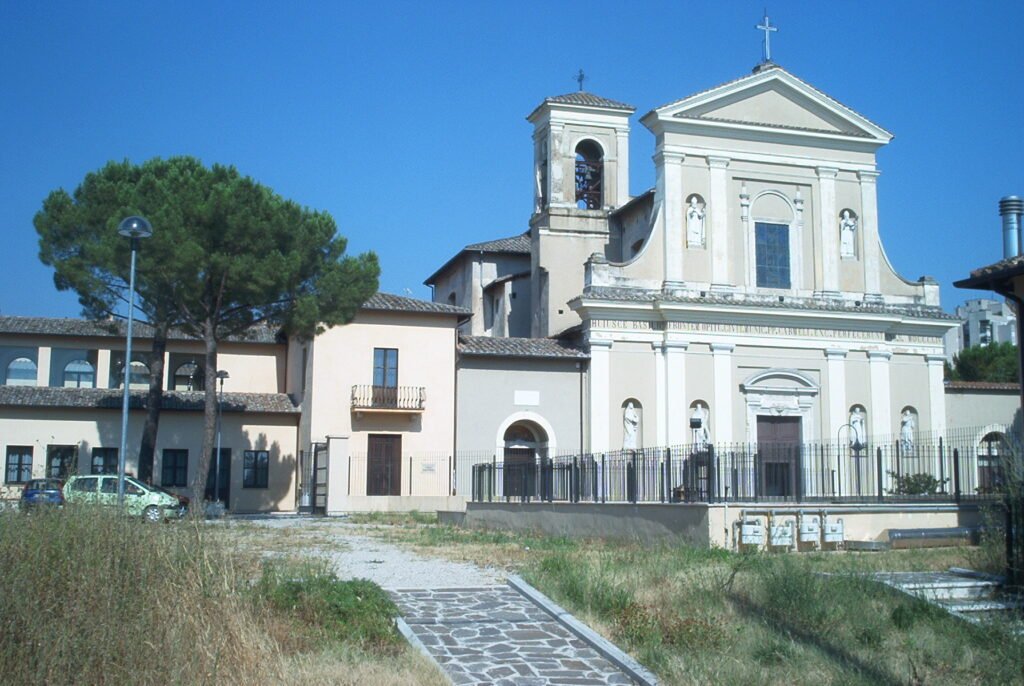
The December 2026 timetable is already out: no release on weekdays, 12:00–13:00 and 14:00–15:00 at weekends, and 12:00–13:00 plus 15:00–16:00 on 7, 8, 24, 25 and 28–31 December, whatever the day (Cascata delle Marmore).
What winter is actually like here
Quiet – properly quiet. Lakefront and rural kitchens run reduced days (call ahead, always); the lake’s bathing season is closed (1 May–30 September is the authorised window); the villages return to their residents. What works: the walking on clear days, the mummies and museums (check winter hours – the crypt opens daily in winter, 10:00–13:00 and 15:00–17:00), long lunches nobody hurries, and – from December to mid-March – the prized black truffle at its peak, which is the season’s genuinely five-star argument: the hunts run all winter.
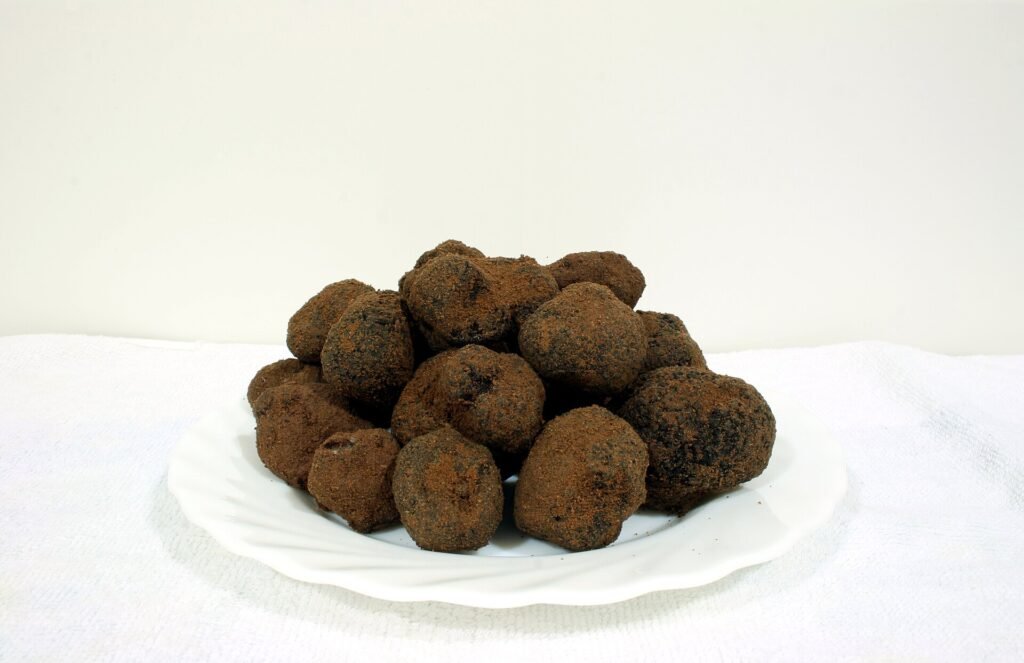
Late winter brings a second truffle: the bianchetto, which can legally be harvested in Umbria from 15 January to 15 April (Umbrian truffle calendar).
The long-stay case
Winter is also when this area suits working stays: monthly lets, empty roads, Rome 90 minutes away when you need a city, and February’s festival month in the middle of it. If that’s your shape of trip, talk to us about winter rates – it’s the season where a fireplace, a hot tub and fast WiFi do their best work – see the villa.
Planning rules for winter
- Check the timetable twice – once when booking, once the week you travel. It changes monthly and winter weekdays are the thin end.
- Aim at weekends and the two seasons above – that’s where the release windows and the events cluster.
- Book restaurants by phone, not assumption – winter hours are real hours.
- Pack for a river gorge in winter – and let the indoors half of the trip (truffles, museums, the fire) carry its share.
Frequently asked questions
Is Marmore Falls worth visiting in winter?
On the right day, yes – the Christmas illuminations and quiet full-release weekends are genuinely special. On a no-release weekday, no – and the difference is entirely checkable in advance on the timetable.
What’s open in the area in winter?
The falls (reduced schedule), the museums (reduced days – call ahead), the truffle season in full, and the restaurants that matter on their winter hours. The lake’s beach season is closed; the lakefront lunch is not.
When is the cheapest time to visit?
November and January–March outside the February festival window – winter pricing across the board, including at the falls on no-release days (€6).