
Plan Your Trip

Facts checked: July 2026. Cross-check the water timetable for your dates before locking the plan.
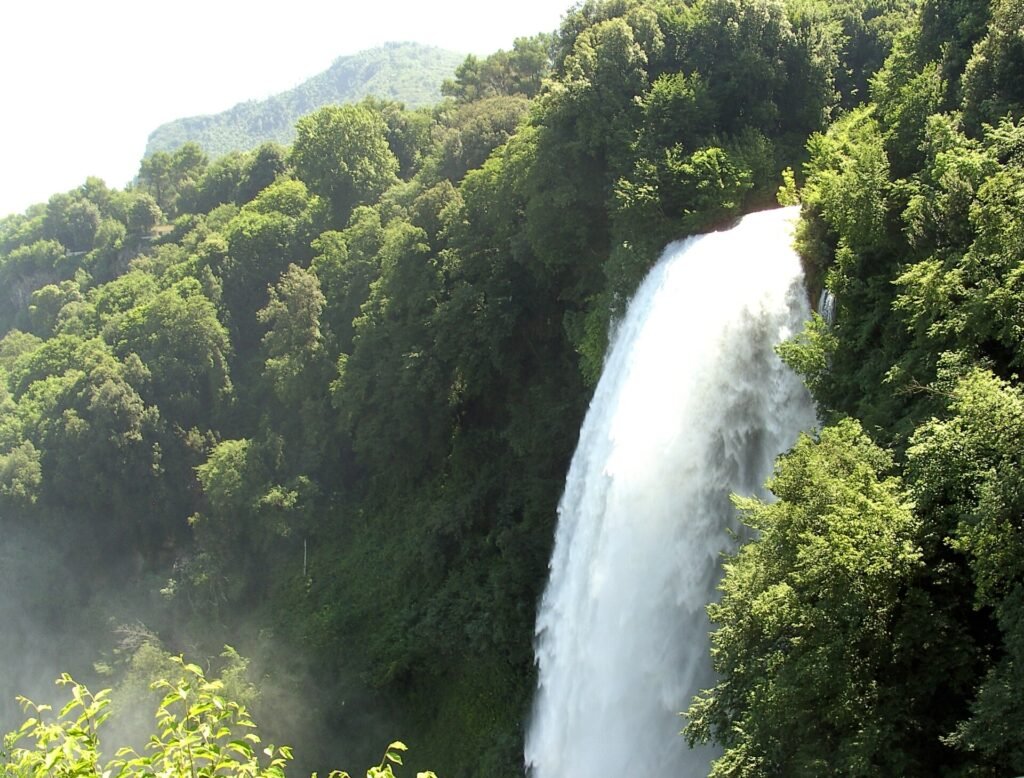
Three days is where this area starts showing you what it’s actually got. Days one and two are the falls weekend – waterfall at full release, lake, Labro sunset – and day three turns up our valley, the Valnerina, which is the part no guidebook prepares you for.
Days 1–2 — the falls weekend
Run exactly as the two-day plan: arrival + afternoon release + Lovers’ Balcony + village dinner (+ the illuminated evening release if it’s a summer Saturday), then the lake day – boat, swim, coregone lunch, Labro at golden hour.
Day 3 — the Valnerina day
- Morning — the river, your way. Two excellent options, book either ahead: the gentle family float or a proper rafting run with the operators at Papigno/Ferentillo (prices and ages – note the Grade IV run is strictly adults 18–55), or e-bikes on the riverside route – the falls–Arrone–Ferentillo stretch of the Nera cycle route is flat, beautiful and family-grade.
- ~11:30 — coffee like a local: cornetti at Bar All’Isola below Arrone; ten minutes in La Terra, the walled upper village, for the tower with the olive tree growing out of it.
- ~12:30 — the mummies. Twenty macabre, unforgettable minutes in the crypt at Ferentillo (open daily, closed 13:00–15:00, so arrive by 12:30; sensitive small children sit this one out).
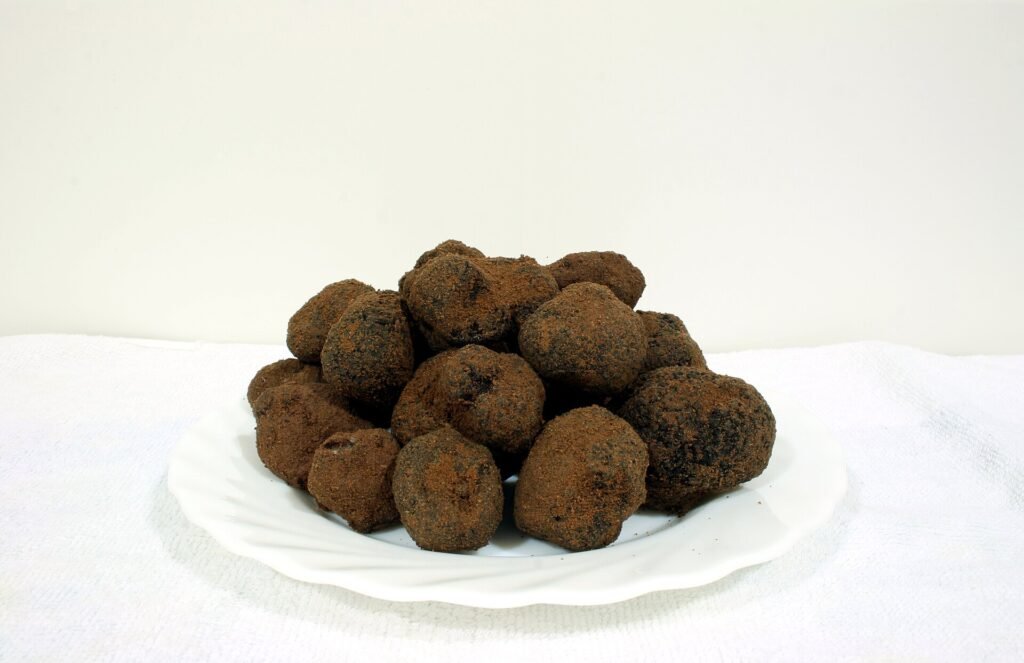
- ~13:30 — the truffle lunch. Piermarini, five minutes away – the family hunts their own truffles, and lunch here is the meal the trip gets remembered by. Book it when you book the villa; upgrade to the morning truffle hunt + lunch if you’d rather swap the river for the dogs (how the hunts work).
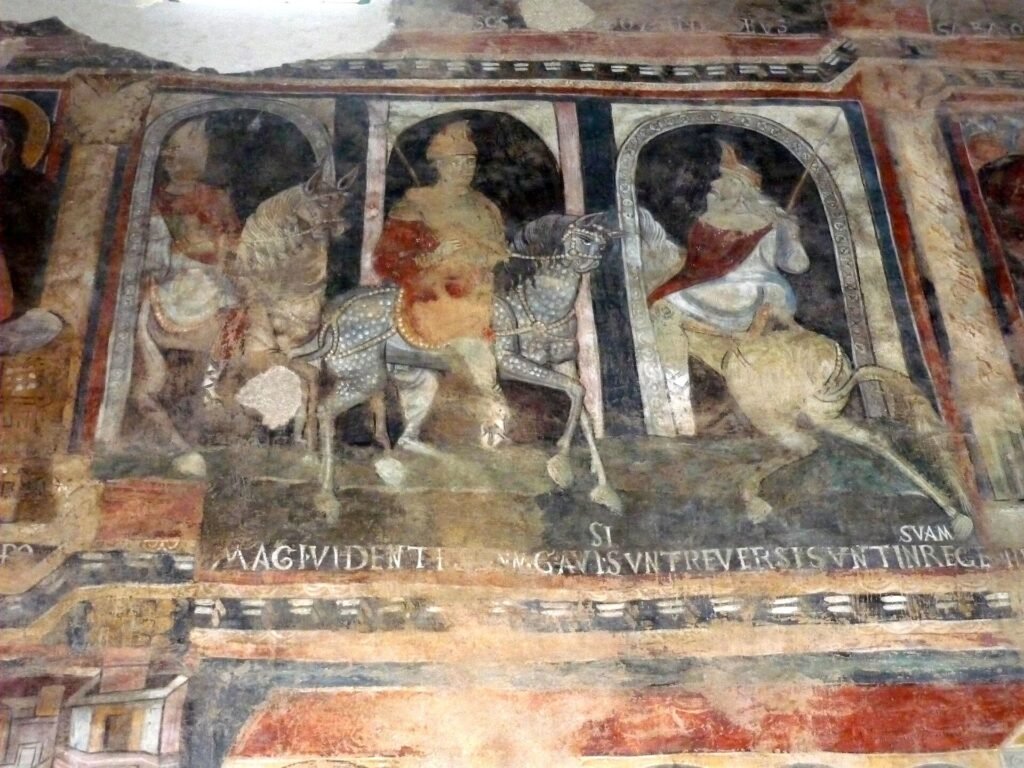
- ~15:30 — San Pietro in Valle. The Lombard abbey up the quiet side of the valley – a signed 8th-century altar carving and the fresco cycle that points at Giotto; from mid-October to March the church opens at weekends only (visiting notes).
- Late afternoon — drift home down the valley, with the optional detours rated in the villages guide: Casteldilago’s lanes, Montefranco’s balcony if it’s clear. If the day has energy left, the falls’ evening window is the nightcap.
Book the Piermarini lunch rather than turning up: the restaurant serves dinner as standard, takes lunch by reservation only, and closes on Sunday evenings and Mondays (Piermarini).
The Ferentillo crypt holds 24 mummified bodies, 10 mummified heads, more than 400 skulls, a sealed coffin and two birds mummified in later experiments (Comune di Terni).
Seasonal variants
Winter: swap the river morning for the truffle hunt (prized black-truffle season 1 December–15 March; the autumn uncinato runs from October) and check the falls timetable carefully. High summer: do the river early, push lunch late, and let the abbey provide the shade. Autumn: if it’s a Frantoi Aperti weekend, add the Bartolini olive-mill tasting at Arrone – new oil on bruschetta beats dessert.
3 Days in Southern Umbria: A Relaxed Itinerary
- A tested day-by-day route
- Where to eat along the way
- How to time it to a water release