
Food & Drink
Eating and drinking here
Southern Umbria eats better than it advertises. This is the corner of Italy where black truffles are a farm product rather than a garnish, where the pasta is thick, eggless and costs village prices, and where the lake, the river and the woods all land on the same table. Here’s the plate, decoded – and where this hub goes deeper.
Facts checked: July 2026. House rule for this whole section: nothing gets ranked until we’ve eaten it, and every listing carries a “last visited” date. Where we haven’t yet, the page says so.
Nothing on these food pages gets ranked until we’ve eaten it, and every listing carries a “last visited” date. Where we haven’t yet, the page says so — plainly.
The plate, decoded
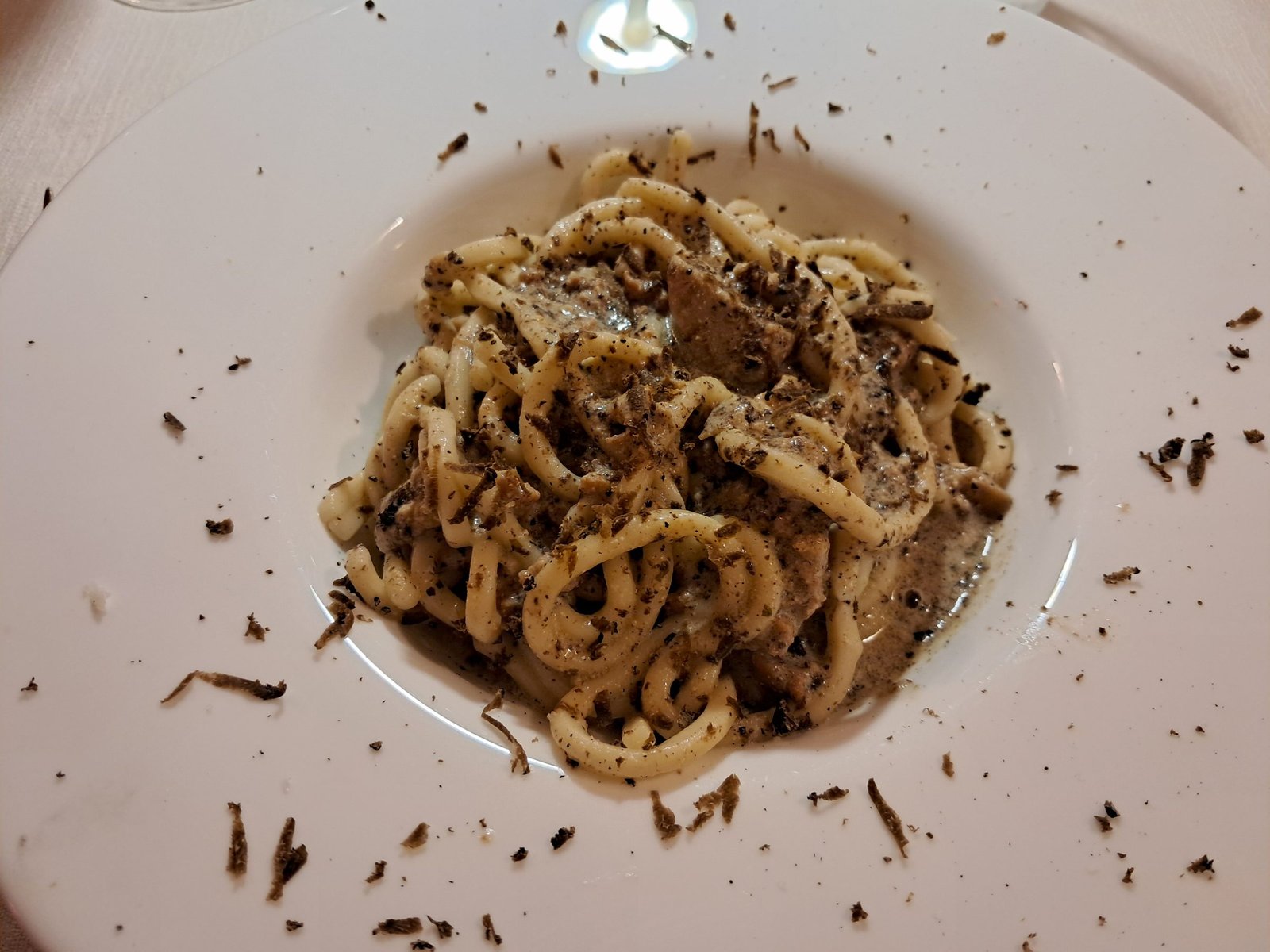
- Ciriole alla ternana – Terni’s signature: hand-rolled, eggless, thick as a pencil, classically with garlic, oil and chilli – though every kitchen up the valley dresses them with porcini, truffle or river fish. The benchmark of any menu here.
- Black truffle – the Valnerina is Italy’s black-truffle heartland; winter pregiato (Nov–Mar) is the aristocrat, summer scorzone the everyday shave. The hunts, the free Urbani museum and the temple-table are all in truffle country.
- The waters: trota del Nera (river trout) and freshwater shrimp from the gorge; roast coregone and the flame-charred carbonaretti from the lake.
- The woods and fields: cinghiale (wild boar) ragù, Castelluccio lentils from the mountain plain, and DOP olive oil pressed five minutes from our door – autumn’s open-mill weekends are the time to taste it new.
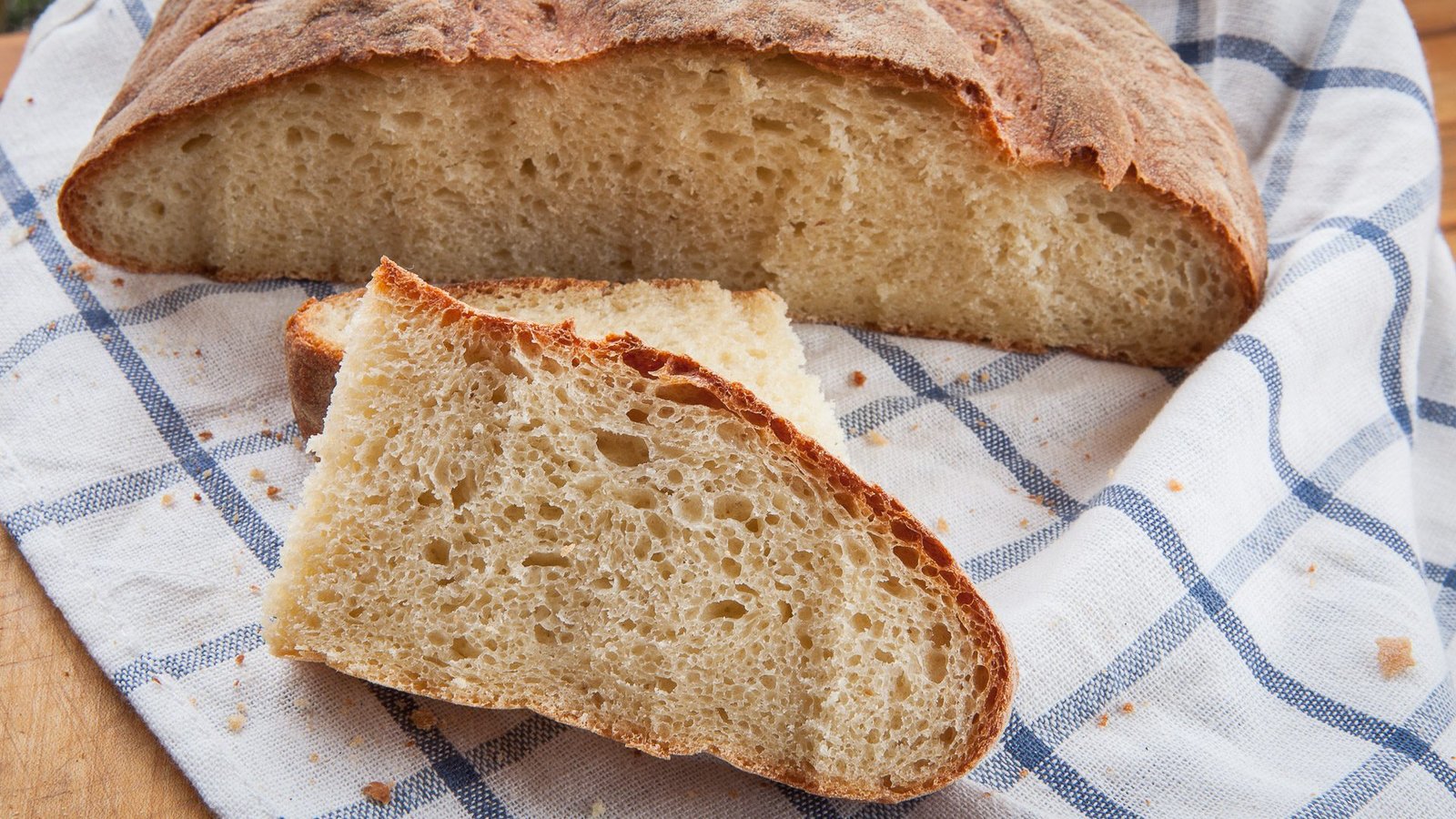
- The sweet one: pampepato ternano – the PGI spiced chocolate-nut cake that owns Terni’s Christmas.
The hierarchy of tables
The full rankings live at restaurants near the falls – fourteen addresses within thirty minutes, graded by occasion. The shape of it: Piermarini at Ferentillo is the destination meal (the truffle family’s own restaurant); Osteria La Cascata is the quality table at the bottom of our hill; the lakefront owns long summer lunches; and Terni – honestly – serves the best value pasta in the region. Kitchens keep Italian hours (lunch ~12:30–14:30, dinner from ~19:30) and rural ones nap midweek off-season: call ahead, always.
The drinking
Umbria’s famous bottle – Sagrantino di Montefalco – is an hour away, but the near story is better than most visitors know: an organic metodo classico producer 25 minutes from the falls, Narni’s own red grape, and Spoleto’s rising white. The tastings, the enotecas and the take-home advice: the wine picture.
The experiences
Three bookable food mornings define the area: a truffle hunt with the dogs at Ferentillo; the free olive-mill tour at Frantoio Bartolini (pressing oil since 1850, five minutes away in Arrone); and the Urbani truffle museum at Scheggino – free, and attached to a dangerous boutique. Villa guests can have any of them pre-booked – our arrangements declared here.
The calendar
February is chocolate (Cioccolentino), July is the wild-boar sagra, October–November is new oil and the truffle season opening, December is pampepato – the full month-by-month, with this year’s verified dates, is the eating calendar.
Frequently asked questions
What food is Terni and the Valnerina known for?
Ciriole pasta, black truffles, river trout, lake fish, wild boar, Castelluccio lentils and serious olive oil – peasant cooking with one luxury ingredient the peasants happened to own.
Do you need to book restaurants?
Summer weekends and festival nights, yes; rural kitchens midweek off-season may simply not open – one phone call saves a twenty-minute drive to a dark window.