
Towns & Day Trips
Terni – the honest guide
Let’s be honest, because honesty is this site’s whole trick: Terni is not a postcard. It’s Umbria’s second city and its industrial one – steel, rebuilt in a hurry after wartime bombing, more useful than beautiful. It is also the home town of St Valentine himself, the keeper of Umbria’s best-value plates of pasta, and the city that turns February – tourism’s dead month everywhere else – into a season. Half a day, spent knowingly, repays itself.
Facts checked: July 2026. Terni is our supermarket run, our station and our February secret – fifteen minutes away and misunderstood by everyone who hasn’t eaten there.
San Valentino — the actual saint, the actual city
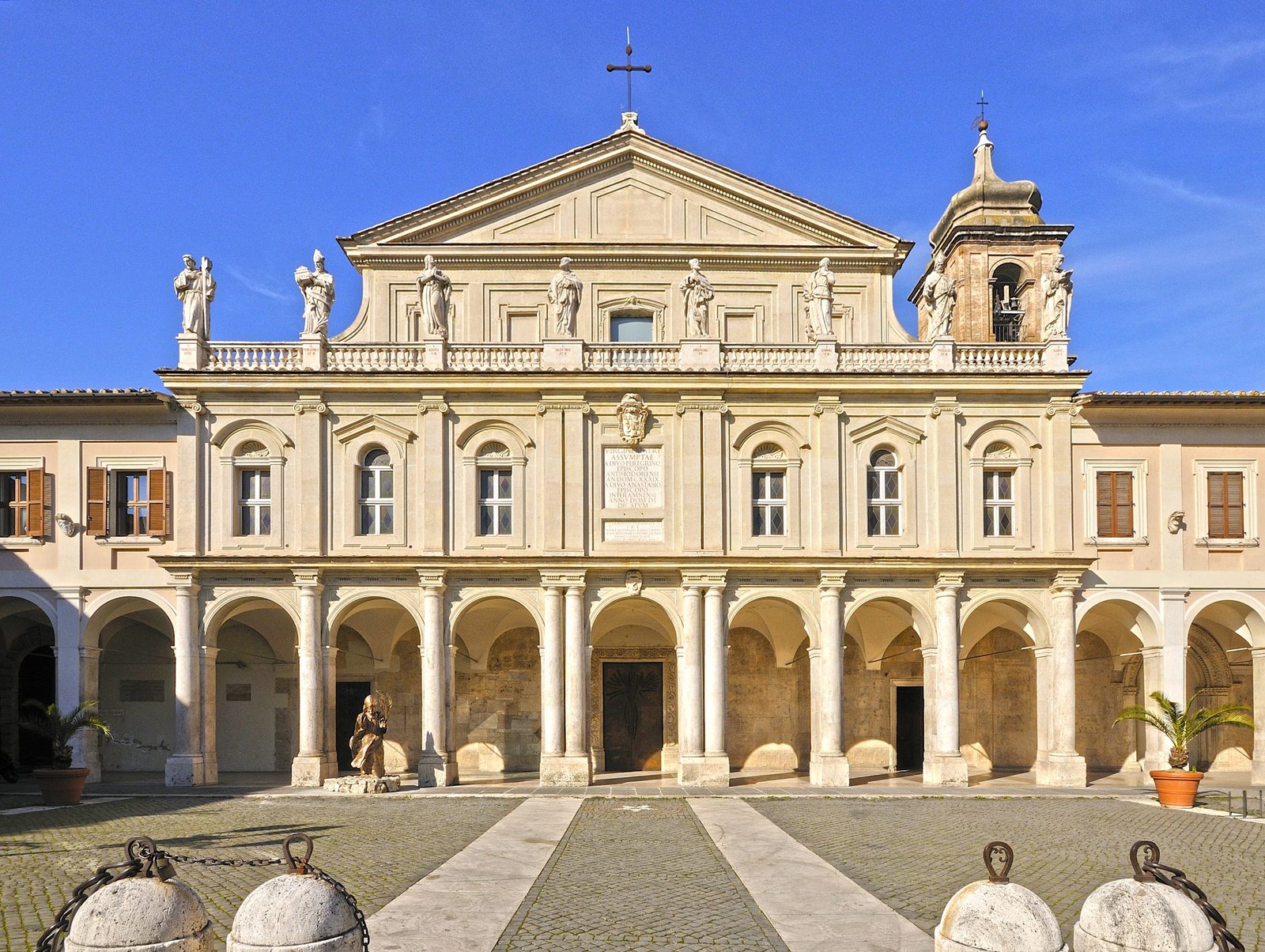
Valentine was Terni’s bishop, martyred in the third century, and his relics rest under the altar of the Basilica di San Valentino on the city’s southern edge – a genuine pilgrimage site that most of the world’s card-buyers have never heard of (opening hours and masses – official site). Around 14 February the city runs over a month of events: the Cioccolentino chocolate festival (four days in early February – programme), concerts, and the couples’ traditions including the betrothal blessing for engaged couples. Nobody markets this internationally. We do: the romantic playbook.
The half-day that works
- CAOS – the arts centre built into the old Siri chemical works: the archaeological museum, the “Aurelio De Felice” modern art museum and the Roman Fausto amphitheatre, all on one €5 ticket (€3.50 reduced), open Thursday–Sunday 10:00–13:00 and 16:00–19:00 (official hours). Industrial archaeology outside, Etruscan-to-contemporary inside – the most Terni thing imaginable, in a good way.
- The basilica (above) – pair it with CAOS; they’re the city’s two genuine sights.
- The centro – Corso Tacito, Piazza della Repubblica, Arnaldo Pomodoro’s Lancia di Luce obelisk, and the weekly market. Manage expectations: it’s a working Italian city centre, which after a week of medieval villages is honestly rather refreshing.
The eating — Terni’s real argument
The signature is ciriole alla ternana – thick, eggless hand-rolled pasta, classically with garlic, oil and chilli – and the city does it at prices the hill towns forgot decades ago. Our shortlist (all pending our house-rule “last visited” dates before final ranking): Oste della Mal’ora – the reliable all-rounder with a serious wine list; Trattoria La Mora – cheap, gruff and open since 1904; the Gambero Rosso-listed ciriole circuit (Lillero, Osteria Garibaldi). Afterwards: Gelateria Andrea for what locals rate the city’s best gelato, and Enoteca Vino Vino at the historic Drogheria Franceschini – a thousand-plus labels in a shop trading since 1953 – for bottles to carry home.
Practical Terni (the reason you’ll come anyway)
The station (Rome–Ancona line, the Marmore Link bus to the falls), the supermarkets on the eastern approach – the natural shop-on-the-way-home from anywhere in the valley – the hospital, the car hire. Fifteen to twenty minutes from the falls: getting here. And it’s the area’s wet-weather answer: CAOS + a long ciriole lunch beats sulking in a stone village in the rain.
Frequently asked questions
Is Terni worth visiting?
For half a day, knowingly: the basilica of the actual St Valentine, the CAOS museums in the old chemical works, and the best-value pasta in the region. As a holiday base – see below – we’d steer you to the villages instead.
Is Terni a good base for Marmore Falls?
It’s the practical option (station, shops) but you’d be commuting to the scenery. The falls-side villages, the lake or Arrone put you inside it – the honest comparison is in where to stay.
Why is Terni the city of lovers?
Because St Valentine was its bishop, and his relics lie in the basilica that carries his name. February in Terni is his season – chocolate festival included.