
The Valnerina
Facts checked: October 2026. Ferentillo is fifteen minutes up the valley and it’s where we take everyone: the strangest museum, the best restaurant, and more climbing routes than the rest of Umbria put together.
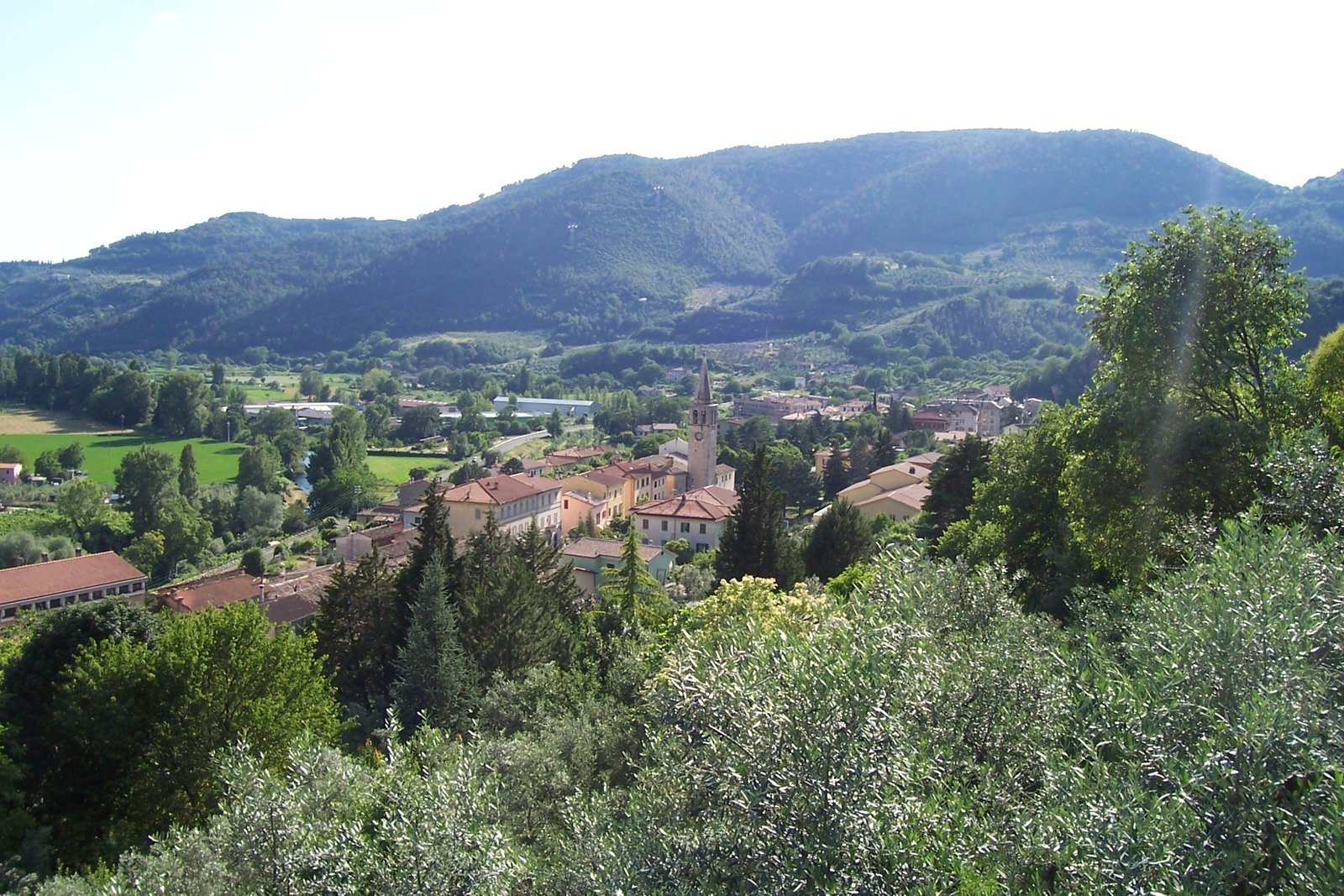
Ferentillo is two villages having a centuries-long staring contest: Matterella and Precetto face each other across the Nera, each beneath its own ruined fortress – the twin rocche built to guard the lands of the abbey upstream. Between them they pack in Italy’s oddest small museum, a national-class climbing scene and the truffle restaurant of the lower valley. It’s the most complete stop in the Valnerina.
The mummies (Precetto side)
In the crypt of Santo Stefano, the soil and ventilation did something unusual to the buried dead: it mummified them naturally. Around two dozen bodies are displayed, studied since the 19th century and now presented with a multimedia upgrade (audioguides in English included). It’s genuinely fascinating and genuinely macabre – the full guide, including the should-the-kids-come question, is at the mummies page.

The climbing (both sides)
Ferentillo is routinely called Umbria’s sport-climbing capital, with over 400 routes from 15 to 120 metres across sectors like Le Mummie, L’Isola and Il Balcone – grades from beginner-friendly 5b to 8b+, much of it re-bolted in recent years (regional tourism page; the reference guidebook is Versante Sud’s Umbria Rock). Non-climbers get the spectacle free: bodies on the walls above the village most weekends, and an annual “Ferentillo Verticale” festival in autumn (event site).
The eating
Piermarini is the reason food people know Ferentillo: the Piermarini family’s restaurant and farm, where the truffle on your plate was very possibly dug that morning by their own dogs – and where you can join the hunt yourself before lunch (how that works). Book: +39 0744 780714. The river alternative: Mulino Nera, the converted mill agriturismo on the water – worth checking it’s open before you drive out.
Worth knowing before you set off: Piermarini’s restaurant serves lunch by reservation only, and it is closed on Sunday evenings and Mondays, so book the truffle lunch rather than just turning up (Sapori Piermarini).
The rest
Climb to either rocca for the valley view (the paths up are informal); the riverside cycle route runs right through; the abbey of San Pietro in Valle is five minutes upstream; and in early July the village throws its Sagra del Cinghiale – wild boar festival. Ferentillo also records the valley’s longest booking lead times in our market data, which tells you the Germans have already found it.

From 1484 until 1730 Ferentillo was effectively a tiny state of its own, a fief of the Cybo family, whose statutes of 1563 guaranteed its independence from both Spoleto and the Church (Wikipedia).
Frequently asked questions
What is Ferentillo famous for?
Three things: the naturally mummified bodies in the crypt of Santo Stefano, sport climbing (400+ routes – Umbria’s capital of the sport), and truffles, with the Piermarini family’s restaurant and hunts the standard-bearer.
How long do you need?
Half a day does it properly: mummies (45 minutes), a fortress climb or riverside walk, and the long truffle lunch that ends serious plans for the afternoon.